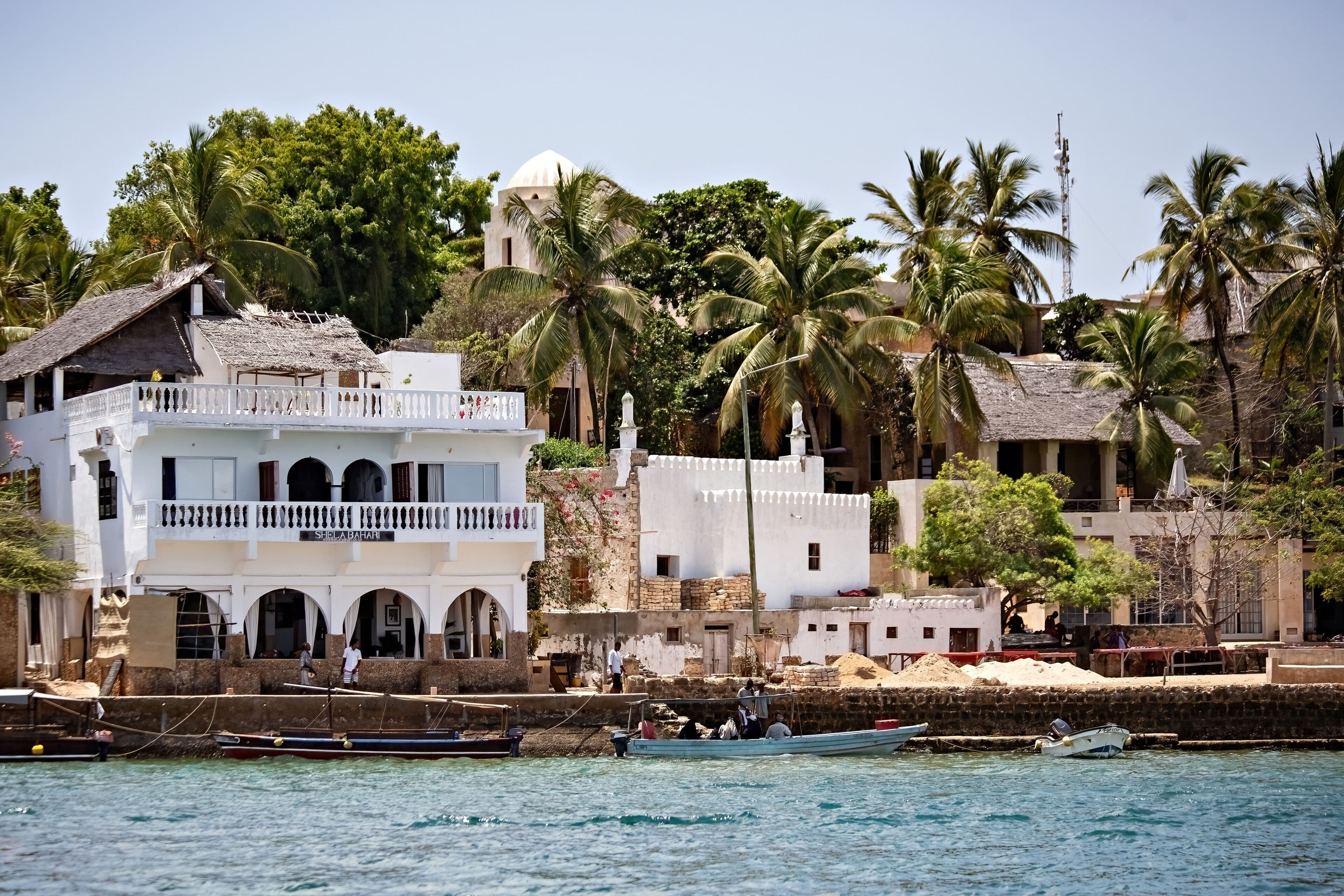
About This Destination
Lamu Old Town is East Africa's oldest and best-preserved Swahili settlement, a UNESCO World Heritage Site that has retained its traditional character for over 700 years. Wander through centuries-old streets, hidden courtyards, and ancient doors that still carry stories of trade, faith, and culture.
Founded in 1370 AD, Lamu has been a melting pot of African, Arab, Persian, Indian, and European influences. The town's architecture, cuisine, and culture reflect centuries of trade and community, making it a deeply cultural and atmospheric destination.
Highlights
Hidden Gems & Cultural Secrets
The Swahili Doors
Lamu's ornate wooden doors are masterpieces telling stories of wealth and heritage. The carved pillars represent date palms (fertility), while Indian-style brass studs protected against harsh weather and symbolized strength.
No Cars, Only Donkeys
Lamu has no cars - only donkeys and boats. The island has over 3,000 donkeys, more than any other place in Kenya. These gentle creatures are the backbone of transport, carrying everything from food supplies to building materials.
Ancient Persian & Arab Roots
Lamu was founded in 1370 AD and has been continuously inhabited for over 700 years. The coral stone buildings use a unique lime mortar made from burning coral, a technique brought by Persian and Arab traders.